Nursing Jobs Abroad With Visa Sponsorship 2026: Licensing, Salaries, and Who Is Hiring

Nursing is one of the few professions where an employer in a wealthy country will sponsor your visa, pay your relocation, and in several cases fund your licensing examinations before you have worked a single shift. The shortage is severe enough that recruitment has become genuinely competitive between health systems.
The obstacle is almost never finding an employer. It is licensing. Every destination requires you to be registered with its own nursing regulator before you can practise, and that process, not the visa, is what determines whether you arrive in eight months or three years. This guide is organised around that reality.
The Sequence That Actually Applies
Nurses are frequently told to find a job first. In most countries the order runs the other way, and getting it wrong wastes months.
The usual sequence is: verify your credentials with the destination regulator, pass any required language test, pass the licensing examination or complete an adaptation programme, obtain registration, then accept a job offer and apply for the visa. Employers will often engage with you partway through and sponsor the later stages, but no health system lets you practise on the strength of a job offer alone.
Credential verification is the step people underestimate. Most regulators use a third-party service to confirm your nursing school transcripts, curriculum hours, and existing registration directly with the issuing institution. If your nursing school is slow to respond to verification requests, and many are, this alone can take six months. Start it before anything else.
United Kingdom
The NHS is the largest single employer of internationally educated nurses in the world, and the route is well established.
Registration runs through the Nursing and Midwifery Council. You submit an application, have your qualifications verified, meet the English requirement, and then pass the Test of Competence, which has two parts: a computer-based theory test you can sit in your own country, and an objective structured clinical examination taken in the UK.
English is accepted through IELTS Academic at 7.0 overall with no element below 6.5, or OET at grade B. There are concessions where you trained or practised in English, and these are worth checking before booking a test.
The visa is the Health and Care Worker visa, which is the most favourable work route the UK offers: reduced application fees, exemption from the Immigration Health Surcharge, and faster processing. Salary thresholds for health and care roles sit below the general threshold.
Newly registered nurses start at NHS Band 5, roughly £29,000 to £36,000 depending on experience, with a substantial London weighting on top. Band 6 specialist and senior roles run to around £44,000. Most NHS trusts operating international recruitment cover the OSCE fee, provide initial accommodation for several weeks, and pay for the visa. Confirm which of these is in writing before accepting.
The significant restriction to know: dependants are no longer permitted on the care worker route. Registered nurses on the Health and Care Worker visa can still bring family, but the rules in this area have moved repeatedly, so verify the current position for your specific role.
Germany
The deepest shortage in Europe sits here, and for nurses it comes with the most bureaucratic entry process of any destination. The compensation is that once you are through it, the employment protections are strong.
Recognition of your qualification, the Anerkennung, is handled at state level rather than nationally, which means requirements differ between Bavaria, North Rhine-Westphalia, and Berlin. Your training is compared against the German curriculum, and most non-EU nurses receive partial recognition, requiring either an adaptation period in a hospital or a knowledge examination.
German language is the real barrier. B1 is the minimum for the visa and B2 is required for registration in nearly every state. Reaching B2 from zero takes most people twelve to eighteen months of serious study. Many German employers now fund this, running language courses in the nurse's home country before relocation, which is the single most valuable thing to look for in an offer.
Salaries for registered nurses run roughly €3,000 to €4,000 gross monthly, higher with shift and weekend supplements, and hospitals under public sector collective agreements pay to a published scale with automatic progression.
Germany recognises vocational nursing training in a way most English-speaking countries do not, which makes it accessible to nurses whose qualification is a diploma rather than a degree.
United States
The highest salaries and the longest wait.
You need to pass the NCLEX-RN, obtain a licence from the state board where you intend to work, and secure a VisaScreen certificate from CGFNS. The NCLEX can be taken at international testing centres, so you do not need to travel to the US to sit it.
Nurses are unusual in US immigration in having access to permanent residence directly through the EB-3 employment-based category, rather than a temporary work visa. The complication is visa retrogression: when demand exceeds the annual quota, priority dates fall behind, and applicants from high-demand countries can wait years. This has moved repeatedly and is the main uncertainty in any US plan.
Registered nurse salaries average well above $80,000 nationally, exceeding $120,000 in California and parts of the Northeast, though living costs in those states absorb much of the difference.
Large staffing agencies sponsor the entire process, including examination fees and immigration costs. Read those contracts extremely carefully. Many carry multi-year commitments with substantial financial penalties for leaving early.
Canada, Australia, and the Gulf
Canada regulates nursing provincially. You apply through the National Nursing Assessment Service, then to the regulator in your chosen province, and sit the NCLEX-RN. Timelines vary widely by province, with one to three years common including bridging programmes. Salaries run roughly CAD $70,000 to $95,000. Several provinces run dedicated immigration streams for healthcare workers with lower thresholds than the federal route.
Australia requires registration with the Nursing and Midwifery Board through AHPRA, usually including an Outcomes-Based Assessment with an online component and a clinical examination in Australia. English requirements are high, typically IELTS 7.0 across all bands. Nursing sits on the skilled occupation lists, giving access to both employer-sponsored and independent skilled migration routes. Salaries run around AUD $75,000 to $105,000.
Gulf states, particularly Saudi Arabia, the UAE, and Qatar, offer the fastest entry of any destination, frequently three to six months from application to arrival. Registration is through the relevant national health authority with a computer-based examination. Salaries are tax-free, typically $2,500 to $5,000 monthly with accommodation and flights provided. Contracts are fixed-term and residence is tied to the employer, so these are usually treated as a way to save capital and build international experience rather than as a permanent move.
What It Costs
Budget realistically before committing, because most of this is paid upfront.
- Credential verification: $400 to $700 depending on the service and destination.
- English test: $200 to $350 per attempt, and many nurses need more than one.
- Licensing examination: NCLEX around $200 plus international scheduling fees; the UK Test of Competence has separate fees for each part, with the OSCE the larger.
- Registration fee: $150 to $600.
- Visa and health surcharge: varies enormously, from modest in Germany to several thousand in the UK if not employer-funded.
- Translations and apostilles: several hundred, charged per page.
A realistic all-in figure for an unsponsored applicant is $3,000 to $6,000, plus flights and initial living costs. Employer-sponsored routes cover much of this, which is the main argument for going through a reputable recruiter rather than independently.
Avoiding Predatory Recruiters
International nurse recruitment attracts serious exploitation, and the warning signs are consistent.
Never pay a recruitment fee to be placed in a job. Legitimate agencies are paid by the employer. Any agency asking you for a placement fee is either operating illegally or is not an agency.
Read the repayment clause. Contracts that recover training and immigration costs are normal. Contracts imposing penalties of $20,000 or more, or binding you for four years, are designed to trap you. Establish the exact figure, how it reduces over time, and what triggers it.
Never surrender your passport. This is a standard control tactic and, in most destination countries, unlawful. You should hold your own documents at all times.
Get everything in writing before you travel: the employer's name, the unit, the salary, the shift pattern, the accommodation arrangement and what it costs, and who pays for what.
Check the employer exists and can sponsor. The UK publishes a register of licensed sponsors. Check the name on your contract against it.
Verify the agency against the destination's own standards. The UK operates a code of practice for the ethical international recruitment of health workers, with a published list of agencies that comply and a red list of countries that should not be actively recruited from. Both are worth checking.
Choosing Between Them
Rank the destinations against what matters to you rather than against salary alone.
Fastest entry: Gulf states, three to six months. Best long-term security: Germany and Canada, with clear residence pathways and strong employment protection. Highest earnings: the United States, with the longest and least predictable wait. Best balance of speed, salary and settlement: the UK, where the Health and Care Worker visa remains the most accessible skilled route into a high-income country for a nurse, and five years leads to settlement.
If English is your working language and you want to move within a year, the UK is usually the right first move. If you have the patience for language study and want the strongest employment rights in Europe, Germany rewards it. If your priority is saving capital quickly, the Gulf does that better than anywhere.
Whichever you choose, begin the credential verification now. It is the longest step, it runs in the background while you do everything else, and nothing can start until it is finished.
Specialisms in Highest Demand
General registered nurses are recruited everywhere, and certain specialisms command faster processing, better pay, and more negotiating room.
Intensive care and critical care is the most consistently short specialism worldwide. ICU experience shortens hiring timelines nearly everywhere and frequently attracts a premium.
Theatre and perioperative nursing is chronically understaffed, particularly scrub and recovery roles, and elective surgery backlogs across Europe have made this acute.
Mental health nursing is in severe shortage in the UK and Australia, and it is one of the areas where employers are most willing to fund relocation and adaptation.
Emergency and acute medicine recruits continuously, with unsocial-hours premiums that raise effective pay well above the base.
Oncology, dialysis, and neonatal intensive care are narrower specialisms with small candidate pools and correspondingly firm terms.
Care of older people has the highest volume of vacancies globally, though it is also where pay is lowest and where exploitative recruitment concentrates. Take these roles with the contract scrutiny described above.
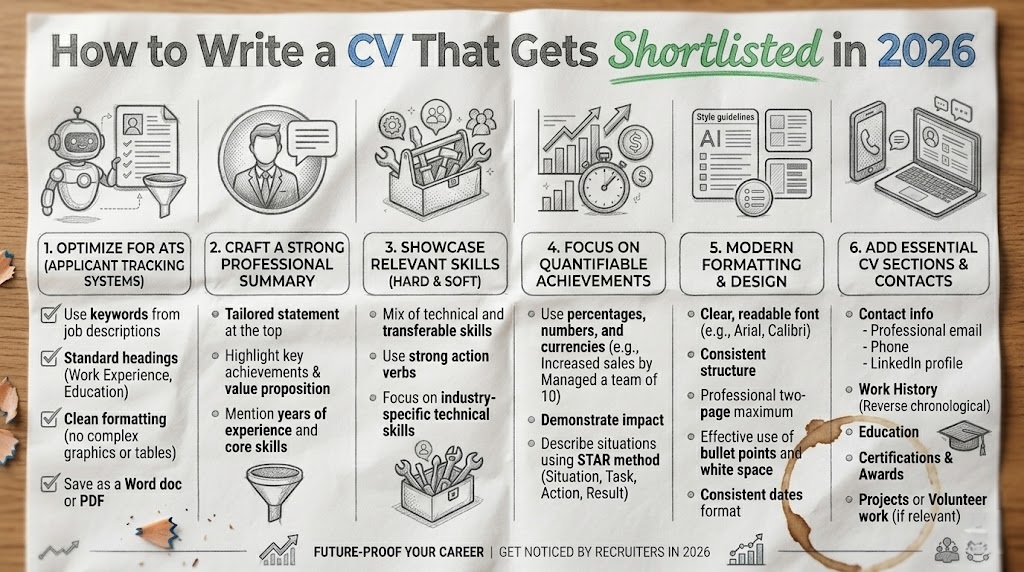
If you have two years or more in one of the first five, say so in the first line of your CV and expect to negotiate. If your experience is general ward, acquiring a specialism before you move is usually the single highest-return year you can spend.
Bringing Your Family
For most nurses, this is the factor that decides the destination, and the rules differ sharply.
United Kingdom. Registered nurses on the Health and Care Worker visa can bring a spouse and children, and the spouse receives full work rights. The cost is the constraint: each dependant needs their own visa fee, and although the Immigration Health Surcharge is waived on this route, the application fees still accumulate. Schooling is free in the state system.
Germany. Family reunification is permitted once you hold a residence permit for employment. Spouses generally receive work rights. The complication is that joining spouses often need A1 German before arrival, which adds months, and childcare places are scarce in cities.
Canada. Spouses of skilled workers usually qualify for an open work permit and children attend school free. Several provincial streams for healthcare workers lead to permanent residence for the whole family within a few years.
Australia. Both employer-sponsored and skilled independent routes include family members, with spouse work rights and access to schooling.
Gulf states. Family sponsorship is possible above a salary threshold, but schooling is private and expensive, frequently $5,000 to $15,000 per child annually, which changes the arithmetic considerably.
Ask the employer directly what they cover for dependants. Many international recruitment packages fund only the nurse's flight and visa, and a family of four can add several thousand to the move.
What the First Year Is Really Like
Several things catch internationally educated nurses off guard, and none of them appear in recruitment material.
Scope of practice differs. Tasks you performed routinely at home may be restricted to doctors or to specialist nurses in your new system, and the reverse is also true. Nurses frequently describe the first months as a mixture of being under-used and being asked to do things they were never trained for.
Documentation is heavier. Electronic records, incident reporting, and care planning consume far more of the shift than in most lower-income systems, and the software is unfamiliar.
Communication is the hardest part, not the clinical work. Regional accents, colloquialisms from distressed patients, and telephone handovers are much harder than the examination English you passed. This improves within a few months and it is uncomfortable at first.
Preceptorship varies. Good employers provide a structured supernumerary period of four to twelve weeks with a named preceptor. Poor ones put you on the ward in week two. Ask specifically how long the supernumerary period is and get the answer in writing.
Isolation is common. Arriving alone into shift work in an unfamiliar country is harder than most people anticipate. Employers who place cohorts together rather than individuals have better retention for exactly this reason, and it is worth asking whether you will arrive with others.
From Work Permit to Permanent Residence
Nursing is one of the few occupations with a clear settlement route in nearly every destination, and knowing the timeline should shape your choice.
United Kingdom. Five years of continuous residence on the Health and Care Worker visa leads to indefinite leave to remain, then citizenship after a further year. Absences are capped, so long trips home need managing.
Canada. Nursing sits in the healthcare category for Express Entry, which has run category-based draws with cut-offs well below general rounds. Combined with provincial nominee streams for healthcare workers, this is among the fastest routes to permanent residence available to any profession.
Germany. Permanent residence after 27 months on an EU Blue Card, or 21 months with B1 German. For nurses who invested in the language, this is the quickest settlement route in Europe.
Australia. Nursing appears on the skilled occupation lists, giving access to permanent visas directly or after a period on an employer-sponsored route.
United States. Nurses access permanent residence directly through EB-3, which is unusual, but retrogression means the wait can run to several years for applicants from high-demand countries.
Gulf states. No settlement route. Residence is tied to the employment contract throughout.
The practical implication is that a lower headline salary in Canada or Germany, with permanent residence in two to three years, is frequently worth more over a decade than a higher tax-free salary in a country where you can never settle. Decide which of those you are optimising for before you sign anything.
For the wider picture on European work permits, see our guide to jobs in Europe with visa sponsorship, and for Canada specifically, high-paying jobs in Canada for immigrants. For the application document itself, see how to write a CV that gets shortlisted.